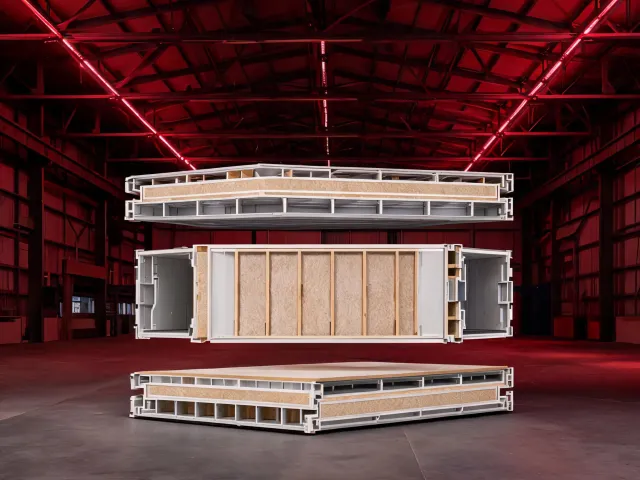
Module stack, not a brand badge
Ask which cassette is in the price: floor, wall, and roof as a finished volumetric box, or panels that still need a site crew. A photo of a completed camp does not state the transport width.
Independent alternative sourcing
GridPoint Sourcing is an independent sourcing partner. A search for dorce is treated as a reference for the building problem, not as an order for that brand. The desk asks factories for quotations on alternative modular buildings, portable units, and steel systems after the use, module size, loads, jurisdiction, quantity, and destination are written in one brief.
This desk is independent of dorce. It compares alternative products and does not claim to supply that brand.
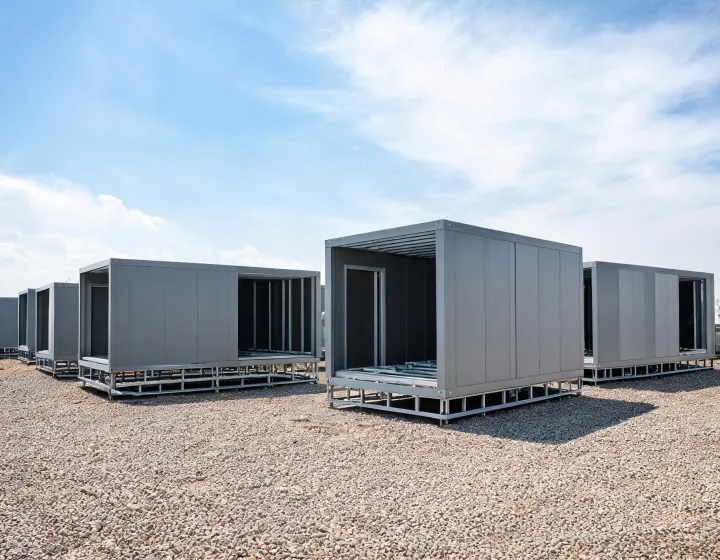
Ask which cassette is in the price: floor, wall, and roof as a finished volumetric box, or panels that still need a site crew. A photo of a completed camp does not state the transport width.
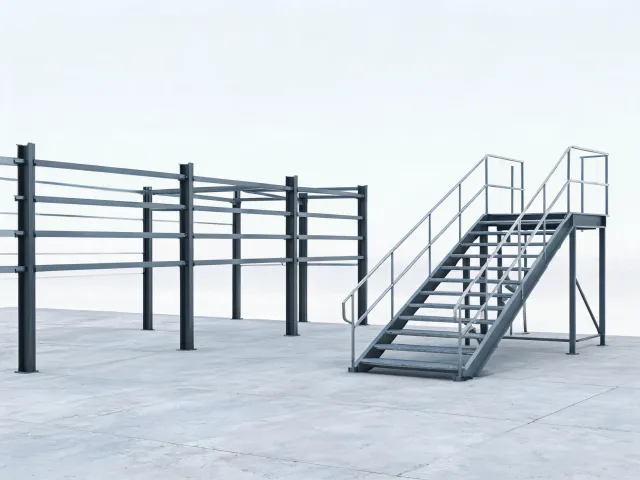
A rigid frame, a cold-formed wall, and a container-style corner casting are different primary systems. If a supplier swaps one for another, mark the swap instead of calling it the same building at a smaller number.
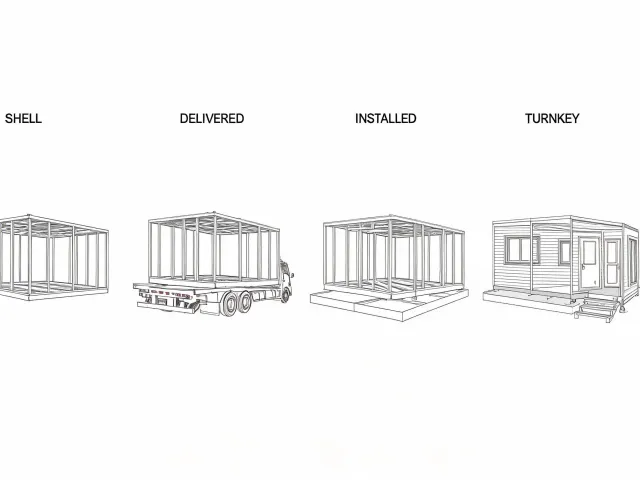
Shell, delivered, installed, and turnkey are four commercial objects. Freight, the slab, and the electrical service can sit outside a shell line and still be required before occupancy.
These rows are buyer-defined options inside Modular and Portable Buildings, Workforce Camps and Site Facilities, Pre-Engineered Steel Buildings, and Steel Warehouses, Workshops and Hangars. They are not inventory and they are not a statement that any option matches a dorce detail.
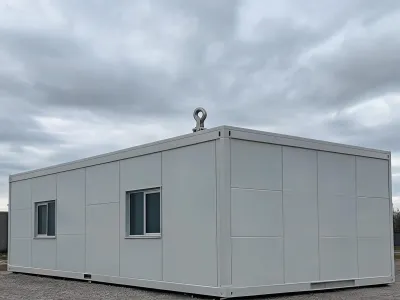
Use when most finishes should leave the plant inside a box. Record finished size and the transport envelope together, because a 14 ft wide box can fail a route that a 12 ft box clears.
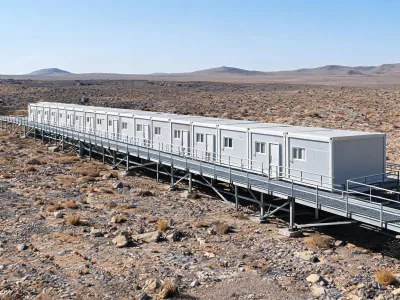
State bed count, sanitary ratio, and whether the kitchen is in the same package. A sleeping module price does not include the water plant or the generator pad unless the brief says so.
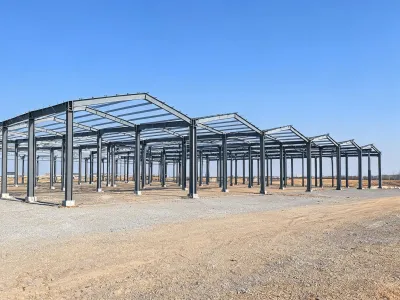
Keep the floor free of interior columns only if the brief names clear span, eave height, and collateral load from ceilings or sprinklers. Those three inputs move rafter weight.
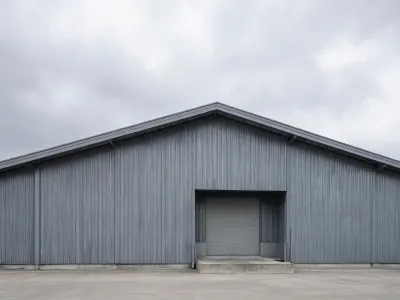
Write door opening size and who supplies the door. A dock header and a hangar door are not interchangeable wind cases even when the footprint matches.
Two method arguments sit on opposite sides of the same brief. A volumetric module finishes more of the envelope in the plant, but a 14 ft shipping width can miss a route that a 12 ft box clears, and the crane lift plan has to name the pick weight. Panelized construction packs flatter and can pass a tighter gate, then the wall stays open to weather until the crew closes the insulated metal panel. Neither side is a default. The transport envelope decides.
A second split is shell against turnkey. A shell quote can look smaller because the slab, the electrical service, and erection stay with the buyer. A turnkey label only helps when the supplier lists those same items as included. Comparing the two numbers without that list mixes different jobs. Standardized module dimensions speed the first pass when the occupancy fits a published box. A custom clear span, an unusual eave height, or a local seismic design category pushes the request into project-specific engineering instead.
Repeatable check, not a lab test: write design live load, design dead load, wind speed, wind exposure category, and ground snow load; ask each factory for foundation interface reactions on that geometry; then mark shell, delivered, installed, and turnkey on separate lines. GridPoint Sourcing does not stamp that file.
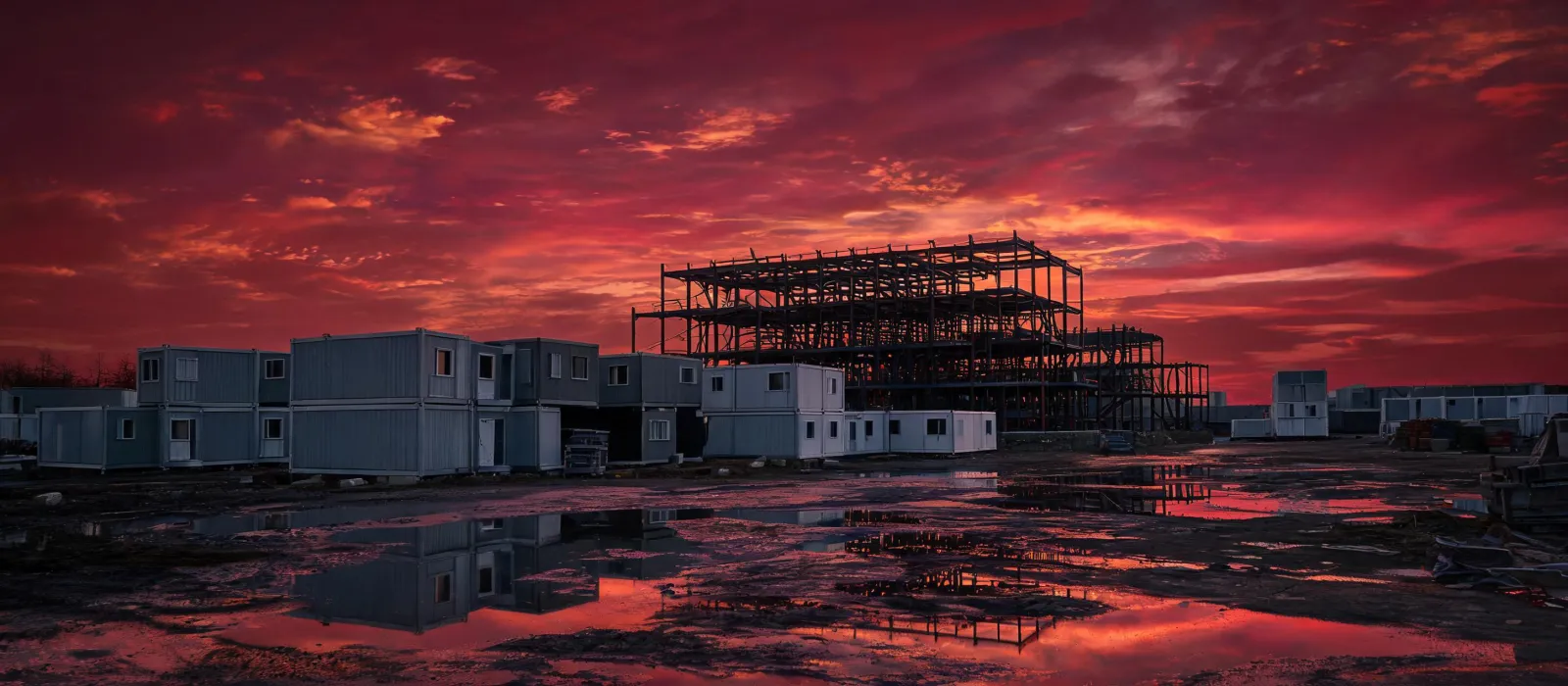
GridPoint Sourcing will not invent a code approval or a plant certificate. The next step is a requirement that names use, size, loads, jurisdiction, quantity, and destination.
QUALIFIED BUSINESS BUYERS
A coordinator can ask factories for quotations after the building requirement is written down.
Eligibility applies to qualified business buyers and is confirmed after we review your product, quantity, destination, and sourcing requirements.